About
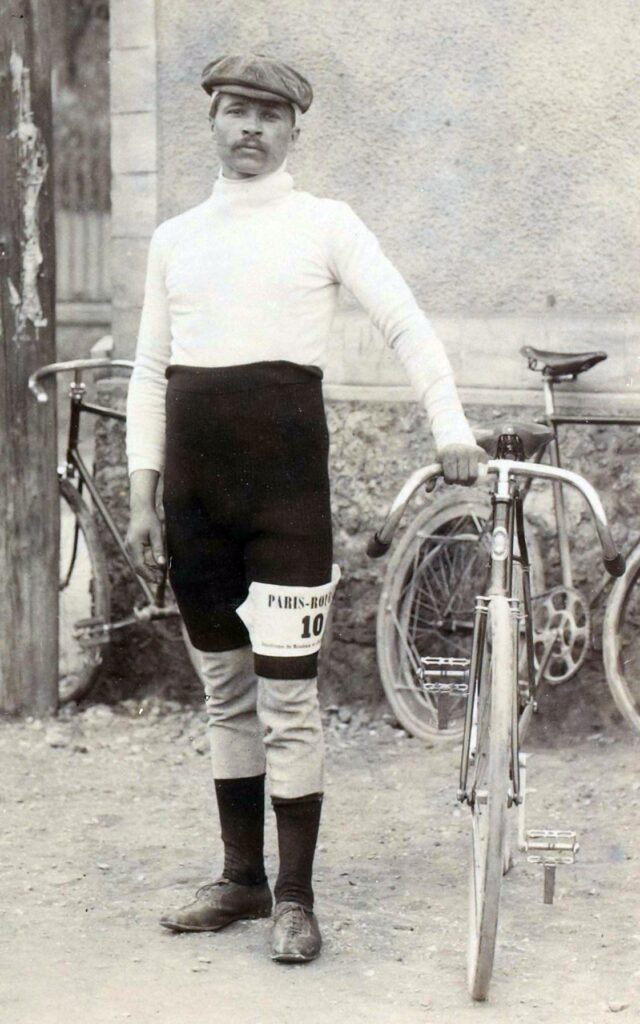
Our History
Welcome to the Histo’Roubaix association website, born from the desire to keep cycling culture and heritage alive in the Roubaix region… and far beyond. We are committed to preserving a cycling memory that transcends borders, because the history of the bicycle is universal.
Founded in 2019 by Aven, a passionate collector and lover of two-wheel history, the association is dedicated to showcasing vintage bicycles, from their origins up to 1945, with a special focus on French and North American models.
Whether it’s racing machines, city bicycles, prototypes, or forgotten models, each bicycle tells a story of its era, its style, its use… its history.
But Histo’Roubaix is not just about objects:
it is a memory made of images, testimonies, and iconic locations.
That’s why we have chosen to share here online rare photographs and previously unseen documents from the world of cycling.
Among them, a symbol: the Roubaix velodrome arch.
Before becoming a major cycling venue, this site was, in the hygienist era, a school dedicated to well-being and physical education. Later turned into a velodrome, it embodies the evolution of sport, health… and passion.
Today, Histo’Roubaix continues to enrich this collective memory.
Our goal: to keep history rolling, make it accessible to everyone, and bring together all those who, everywhere, share a love for vintage bicycles.
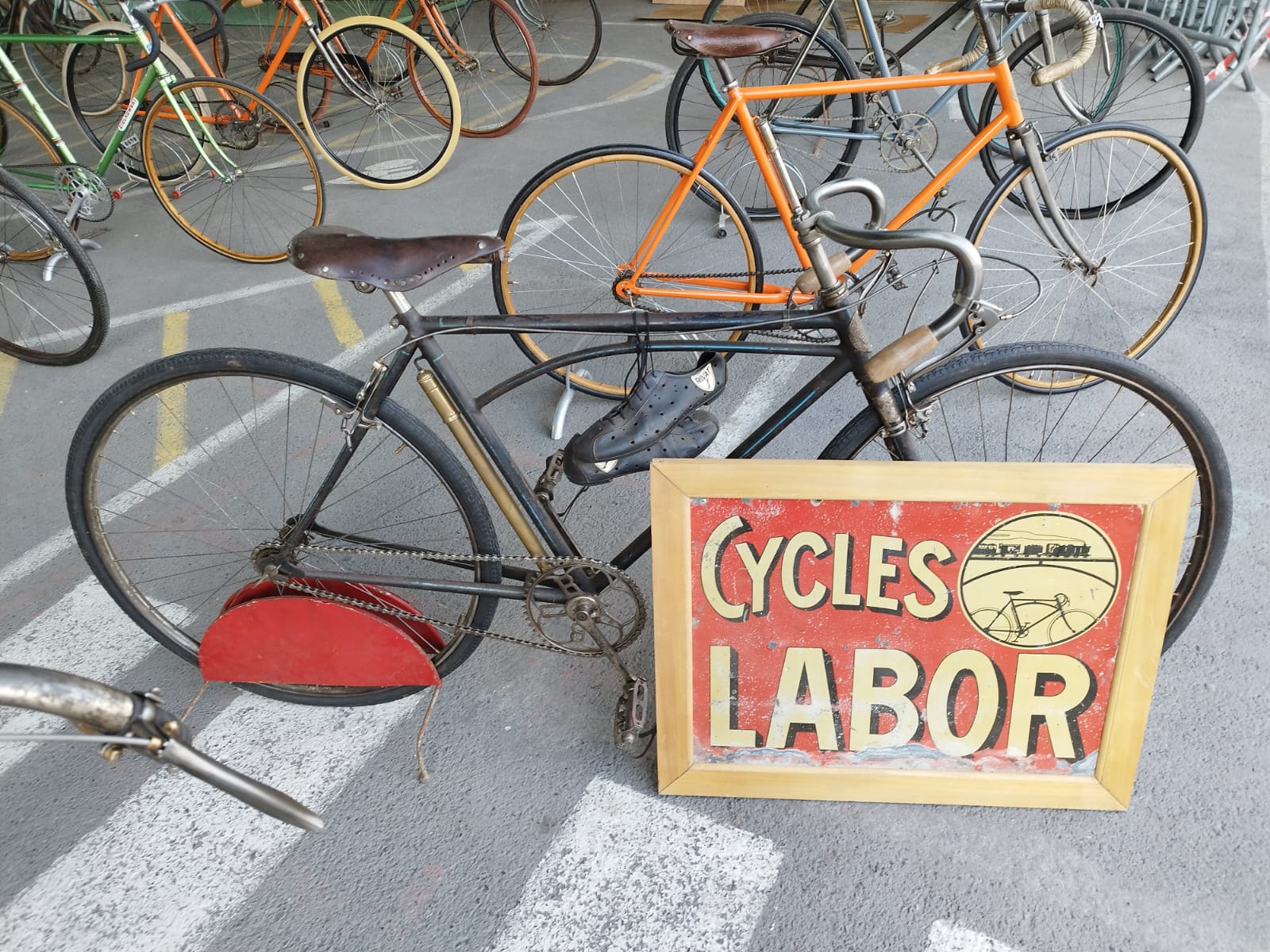
Cycles Labor — A Vintage Bicycle Legacy
This bicycle bears the marks of time: a patinated frame, a saddle softened by use, and the characteristic appearance of models repaired and maintained in neighborhood workshops. The sign “Cycles LABOR” recalls those discreet places where machines were brought back to life, sometimes over decades, by replacing one part at a time.
Looking at this ensemble, one can imagine the daily journeys, the hands that tightened the bolts, and the years of silent service. This type of bicycle was not just a means of transport in the past; it reflects an era when mobility was based on simplicity, reliability, and longevity.
titre image 2
texte image 2

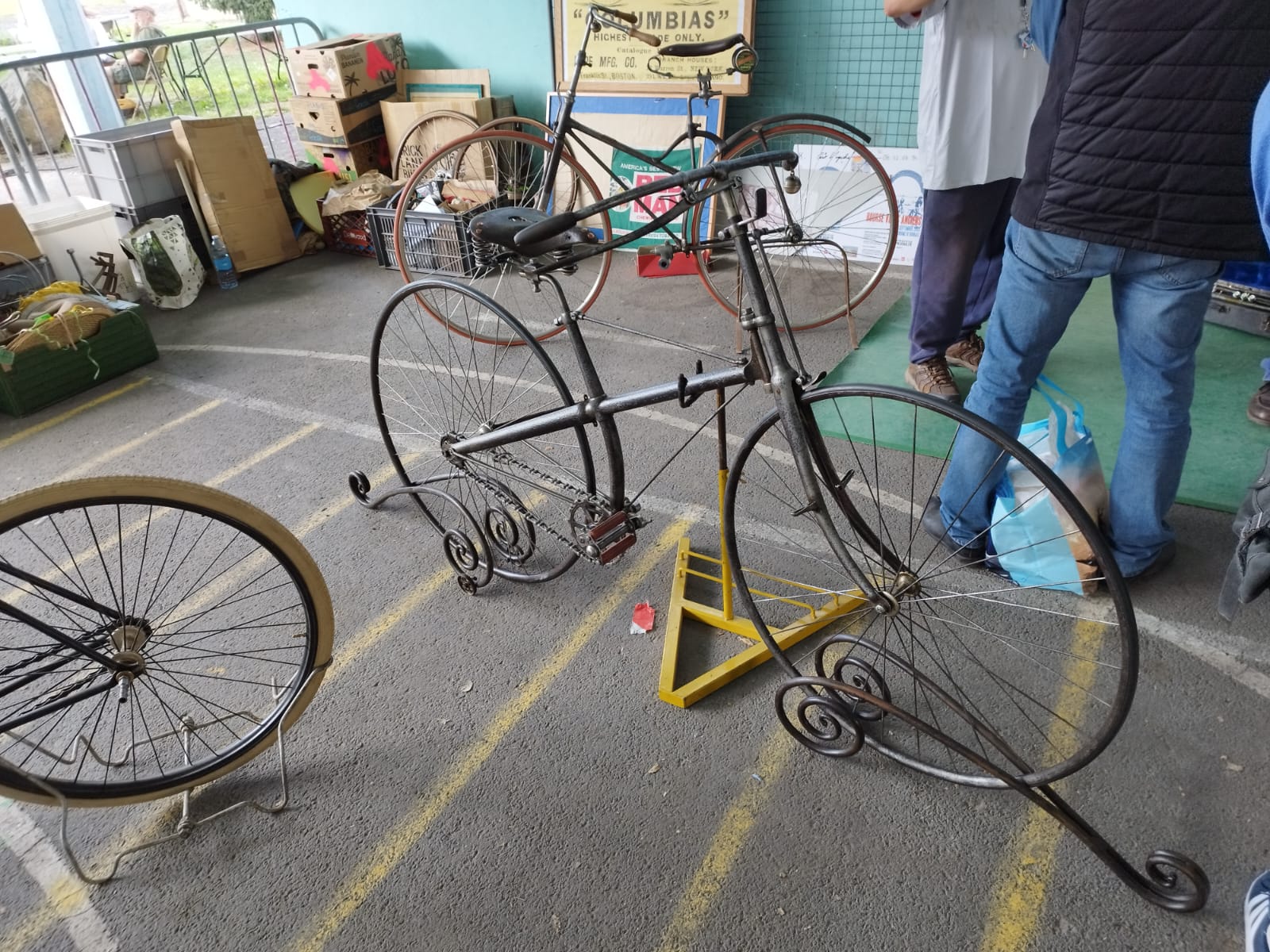
Cross-frame Bicycle — One of the first “upright frame” models following the high-wheeler (late 1880s)
This cross-frame bicycle bears the mark of the first models from the late 1880s, when manufacturers were seeking shapes more stable than the high-wheelers. Its crossed, simple yet sturdy structure reflects the ingenious solutions developed at the time to create the first “modern” bicycles.
In this atypical geometry, one can discern the transition to the safety bicycle: two wheels of similar size, a central crankset, and an upright riding position. This type of machine tells the story of a pivotal moment when everyday mobility became more accessible, guided by the pursuit of reliability, comfort, and efficiency.
René Herse — The Spirit of French Randonneuses
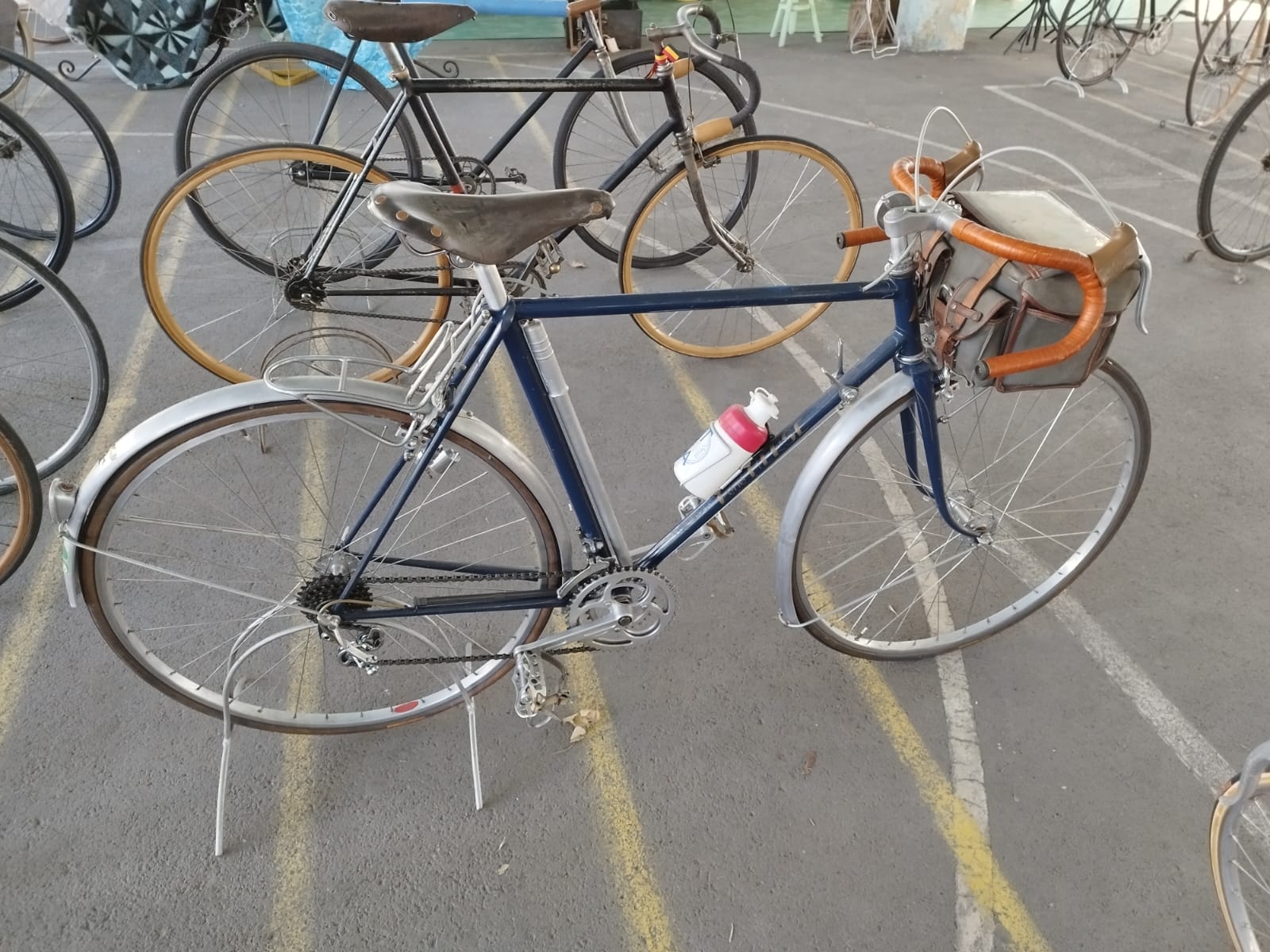
Randonneuse bicycles in the tradition of René Herse are distinguished by their finesse and coherence: every detail, from the frame to the accessories, seems designed to support the cyclist over long distances. This example, with its discreet rear rack and handlebar bag, reflects this careful and harmonious approach.
This unique style emphasizes stability and comfort without sacrificing elegance. These bicycles give the impression of being made for long, effortless rides, combining the classicism and efficiency that made the Herse workshop renowned.
titre image 5
texte image 5
titre image 6
texte image 6

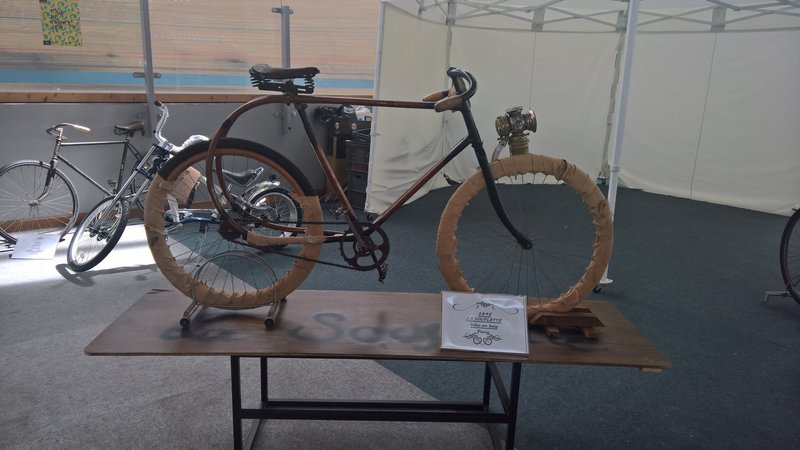
Souplette 1898 — A Mechanical Curiosity
The Souplette of 1898 is a rare example of mechanical creativity from the late 19th century. With its covered wheels, unusually shaped frame, and remarkable technical solutions, this bicycle reflects a period when invention was not bound by strict aesthetic rules. Every detail had a purpose, whether to improve comfort, reliability, or simply to explore a new idea.
This type of machine highlights how freely cycling pioneers experimented. The Souplette is not just a bicycle from another time; it is a piece of history, a direct witness to the daring and imagination that shaped the evolution of the bicycle.
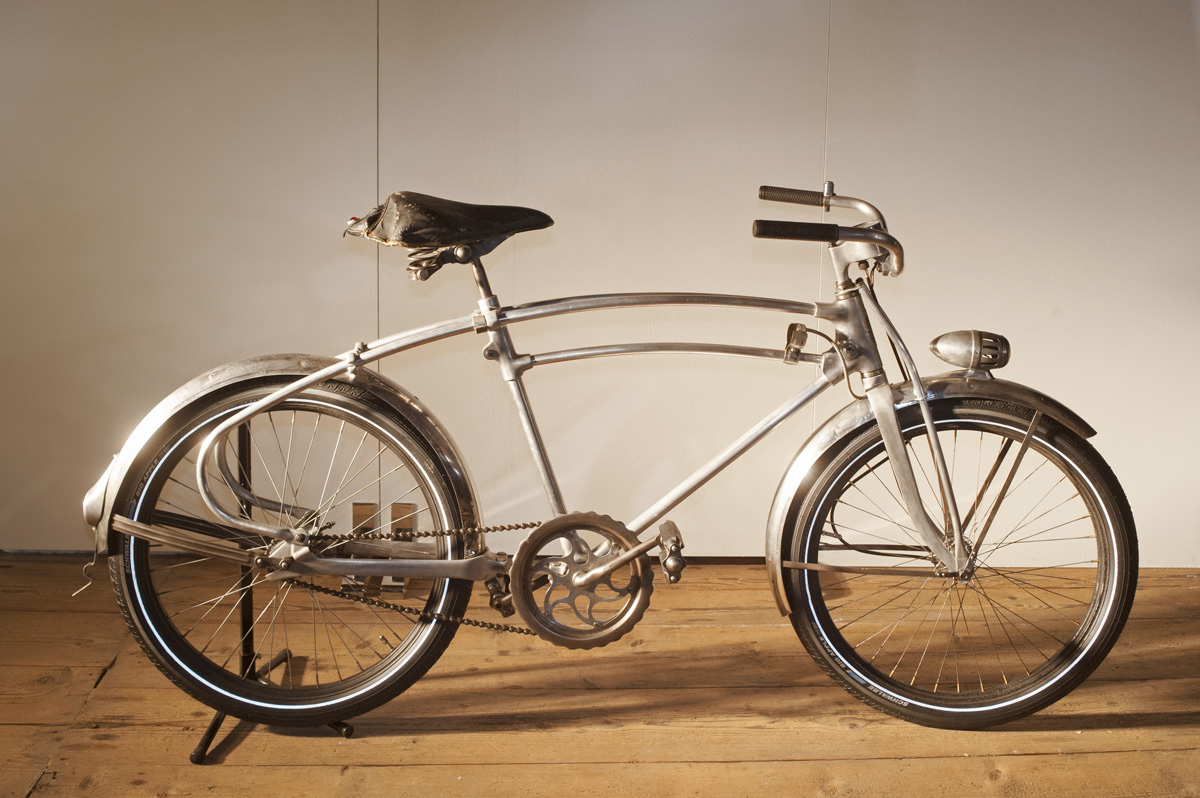
Monark Silver King — Pioneer of Aluminum Frames
The Monark Silver King, manufactured in Chicago between 1933 and 1935, was among the first American bicycles designed with a cast aluminum frame. At a time when steel was still predominant, this technical choice illustrates the growing interest of the industry in lighter, corrosion-resistant materials. Its design, characterized by curved lines and a metallic finish, reflects the “streamline” style that influenced mobility objects in the United States at the time.
This model helped popularize the use of aluminum in bicycle manufacturing and demonstrated the industrial viability of the material in a still-conservative market. Today, the Silver King is recognized as an iconic piece of American cycling heritage, prized by collectors for its role in the evolution of bicycle construction techniques.